Early this month, Help African Animals’ application for registration as a Non-Governmental Organization (NGO) in Uganda was approved. We are out to advance interests of animals in Uganda.
Happy animals
World Rhino Day
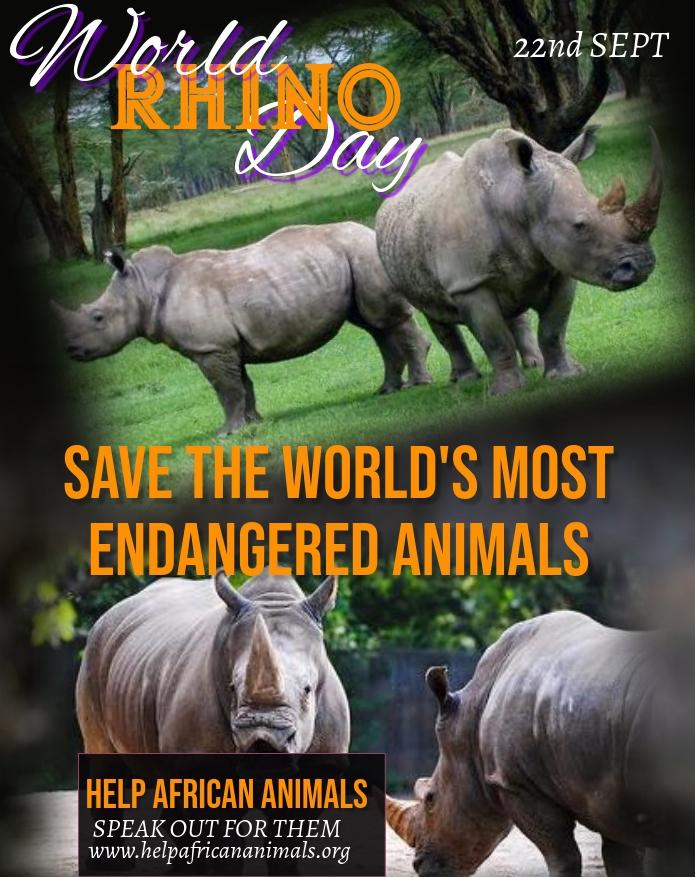
Today around 27,000 rhinos remain in the wild. Very few rhinos survive outside national parks and game reserves. Some species of rhinos are among the world’s most endangered animals. Rhinos are threatened by habitat loss and poaching. However, poaching which is driven by consumer demand for the rhino horn primarily in Asia, is the biggest threat to rhinos. Rhino horns are used as symbols of pride and high-value gift items by wealthy individuals in Asian nations.
Despite, the ban on international trade in rhino horn under the Convention on International Trade in Endangered Species of Fauna and Flora (CITES), the demand for rhino horn has remained high. Rhino poaching levels hit a record high in 2015 when poachers slaughtered over 1,000 rhinos in Africa.
It is up to us to save the rhinos! Let’s speak out for them.
The plight of homeless animals
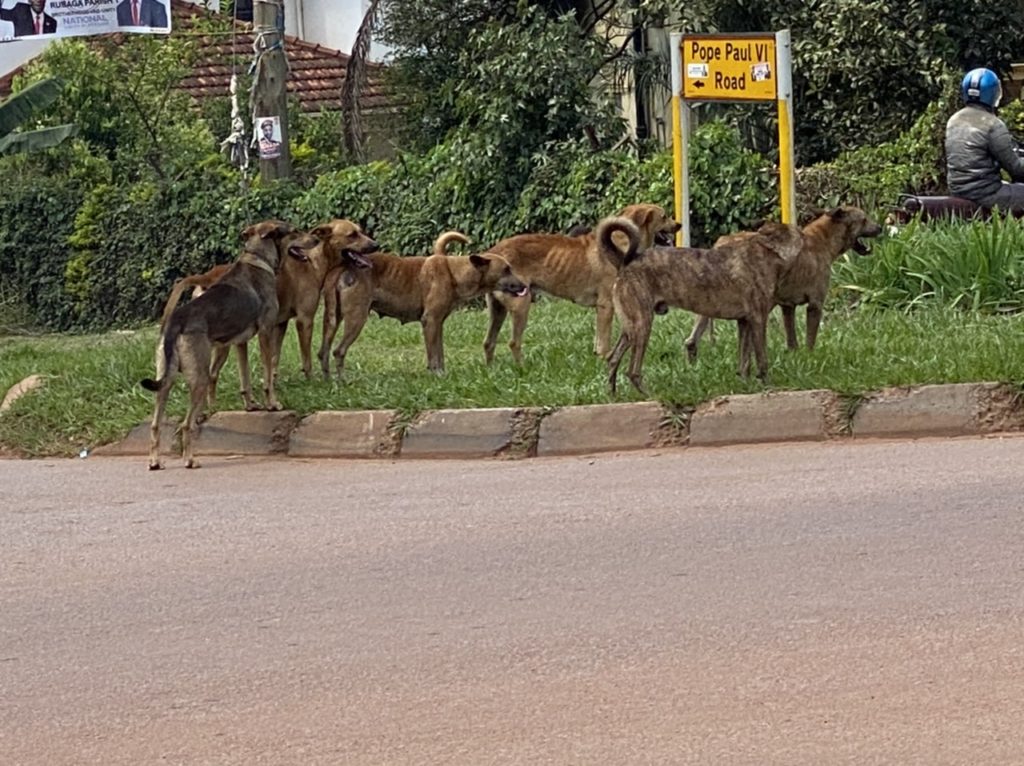
The number of homeless animals increases every day. In Africa, millions of dogs and cats are forced to stray every year because of their owners’ inability to provide for them, lack of sympathy for animals, and ignorance of the laws protecting animals.
Stray animals are subjected to harsh weather conditions, they go without food and shelter, are sick, and cruelly treated whenever they are seen. They reproduce uncontrollably thereby increasing the number of animals on the streets.
The dogs in the photograph were found loitering in Kampala Capital City. They looked hungry, unhealthy, and are homelessness. What is heartbreaking is the way humans just pass by them paying no attention at all.
There is need to raise awareness about animal protection in all communities in Uganda. Help African Animals is committed to saving the lives of animals by influencing the human mindset. We travel village to village and raise awareness about animal protection.
Animals do not speak. Let’s speak for them.
Uganda Wildlife Authority rescues a baby elephant
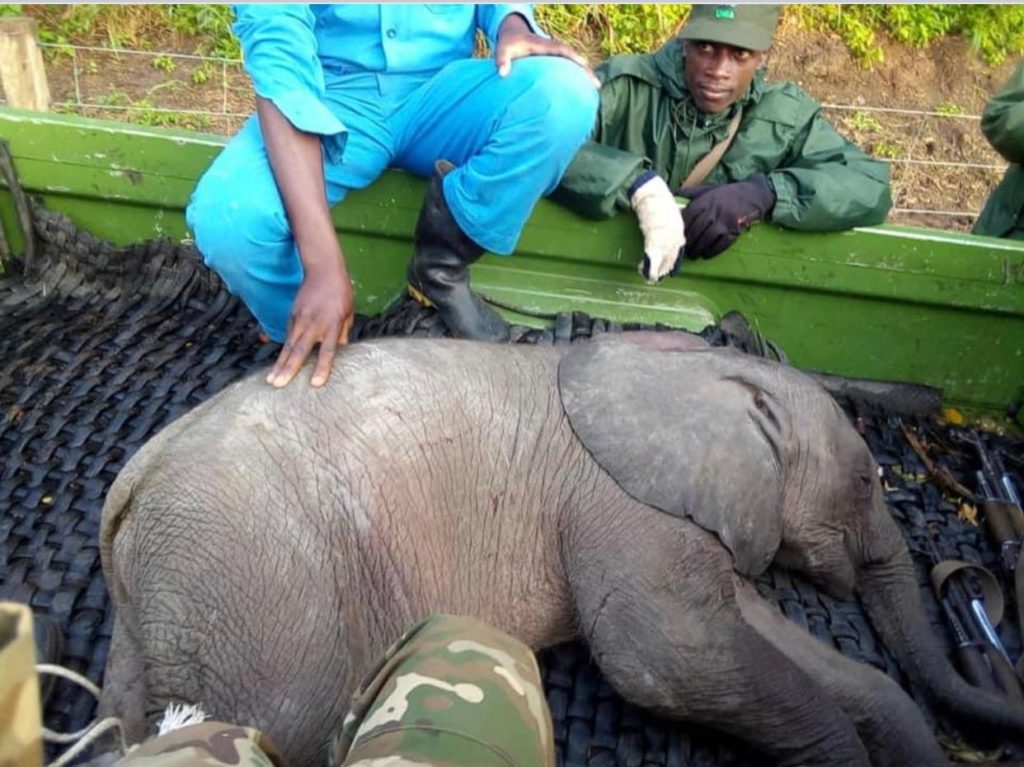
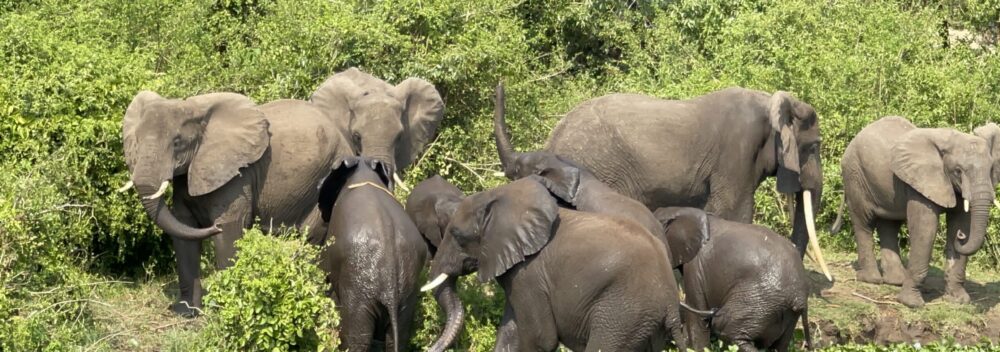
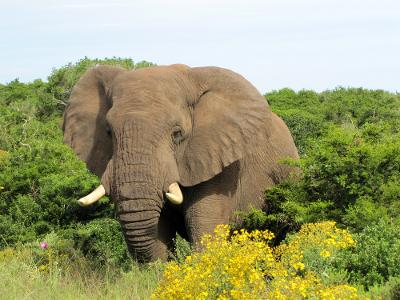
The Uganda Wildlife Authority (UWA) has rescued a newly born elephant that was left by the main herd from Queen Elizabeth National Park that earlier strayed to Kasese town. The baby elephant was reunited with the main herd in the park.
As human populations expand and natural habitats shrink, people and wild animals are increasingly coming into conflict over living space and food. The resultant effect on both humans and wild animals is always negative. Many thanks to UWA for rescuing the baby elephant before any injury had been occasioned.
Uganda welcomes another baby rhino
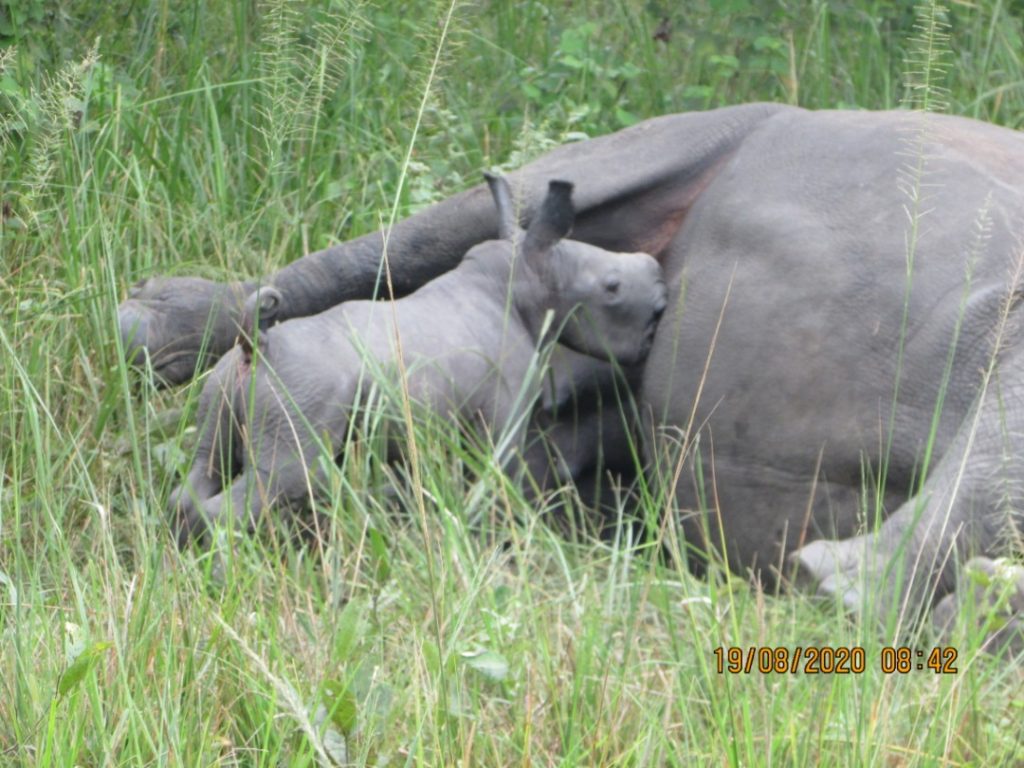
A second baby rhino has been born at Ziwa Rhino Sanctuary in a period of less than a month. The male calf named Jabali was born by mother Bella on the night of 18th August 2020. Bella, a six times mother was among the first four rhinos that were taken to the sanctuary by Rhino Fund Uganda. The latest addition brings the total number of rhinos at the sanctuary to 32.
In the 1980s, Uganda lost all her rhinos due to poaching. The last rhino in Uganda’s wild was seen in about 1983.
It has taken great effort and sacrifice to breed the rhinos. Many thanks to Rhino Fund Uganda. There is hope that one day rhinos will be reintroduced to Uganda’s national parks.
However, there is a need to raise awareness about the benefits of wildlife among all the people of Uganda. Help African Animals is committed to traveling from village to village educating the true keepers of wildlife, the rural people about the benefits of wildlife, the laws protecting wildlife, and penalties for violation of the laws. We are committed to empowering rural people to protect wildlife in their areas. We are driven by the belief that unless rural people are involved in conservation, all conservation efforts are in vain.
The African lion is staring at extinction
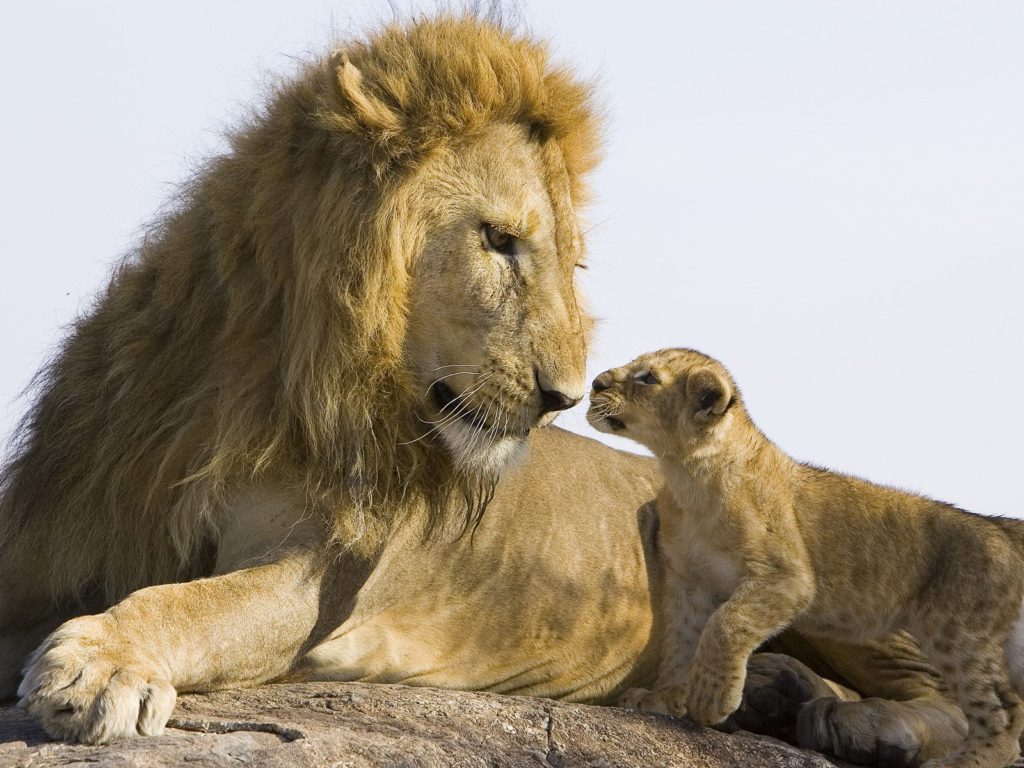
The African Lion is facing extinction. About 20,000 individuals are left in the wild. Lions have vanished from over 95% of their historic range. They are already extinct in 26 African countries. They are threatened by habitat loss, conflict, and hunting.
Help African Animals is committed to raising awareness about wildlife crime and protecting the lives of wildlife. As the world celebrates the World Lion Day 2020, let’s devise means of protecting the African lion more than ever. Help us to protect the lives of lions living in Africa.
Uganda welcomes a new baby rhino
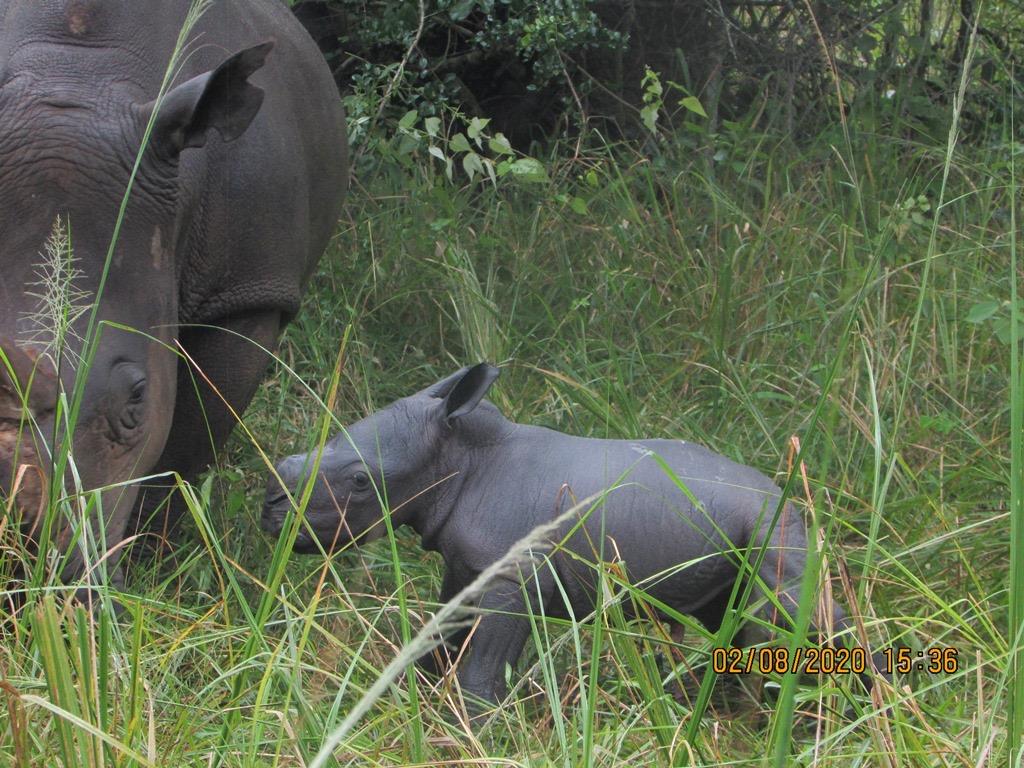
On August 2nd, 2020 Rhoda, a female baby rhino was born by a white rhino called Laloyo at Zziwa Rhino Sanctuary located in Nakasongola district in Uganda. This latest addition brings the total number of rhinos at the sanctuary to 31.
Back in the 1960s, black and white rhinos were widespread in Uganda. However, Uganda’s population of white and black rhinos were wiped out in the early 1980s due to poaching. The last rhino was seen in Uganda’s wild in 1983. The period between the 1970s and mid-1980s was characterized by turmoil and civil unrest that turned Uganda’s national game parks into battlefields and hence increased poaching. It was in the 1990s when the Uganda Rhino Fund was formed for the breeding of rhinos with a goal of reintroducing them back into the wild.
Poaching is real and it seriously threatens the survival of wildlife species. As a result of poaching, many wildlife species in Africa have become highly endangered while others have totally extinct. It is only a collective effort that will help to make the world a safe place for animals.
Killer of Uganda’s rare silverback sentenced to 11 years in prison
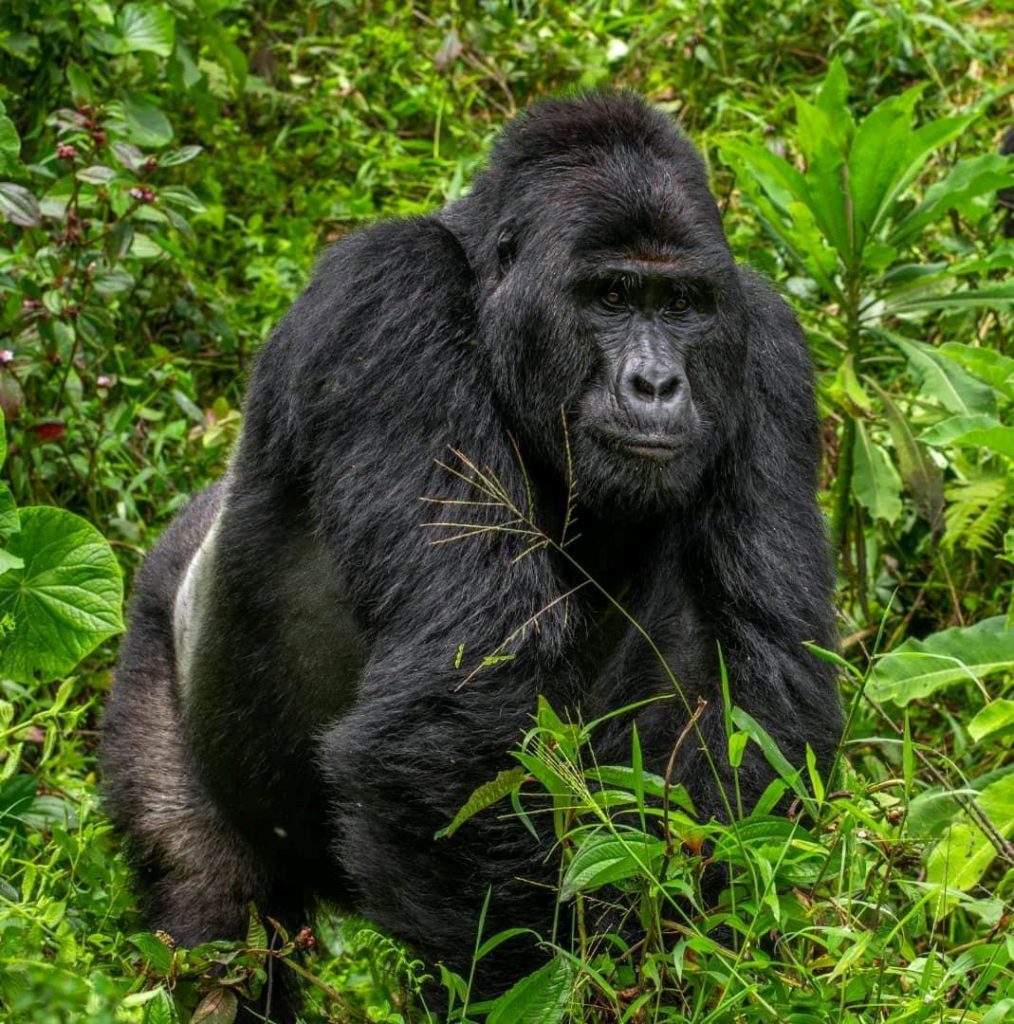
On 30th July 2020, the Chief Magistrate of Kabale Chief Magistrates Court in Uganda sentenced Byamukama Felix, one of the suspects in the gruesome murder of Rafiki, Uganda’s rare 25-year-old silverback to 11 years imprisonment. Felix and others were charged with three counts of illegal entry into Bwindi Impenetrable National Park, killing a gorilla, and killing a duiker. In another file, Felix was charged with killing a bush pig, possession of bush pig, and duiker meat.
Felix pleaded guilty to all the counts. He was sentenced to 5,6 and 5 years imprisonment respectively on each of the counts in the first file and to 5 years imprisonment on each of the counts in the second file. The imprisonment terms in each of the files are to run concurrently. However, Felix will serve the 5 years in the second file after the expiry of the 6 years in the first file. He will, therefore, serve an imprisonment term of 11 years. His co-accused persons were further remanded for the hearing of the case against them.
Rafiki went missing from his Nkuringo group which he headed on June 1st, 2020. His body was recovered the following day. Uganda Wildlife Authority (UWA) revealed that a post-mortem showed that a sharp device or object was used to penetrate Rafiki’s abdomen and pierced his internal organs. Investigations led to the arrest of Felix and three others. The men confessed to the killing of Rafiki by a spear allegedly in self-defense while they were illegally hunting other animals in the park from where he charged on them. They were also found in possession of bush pig meat and several hunting devices which included a spear, rope snares, wire snares, and a dog hunting bell.
Worldwide, mountain gorillas are found exclusively in Bwindi Impenetrable National Park in Southwestern Uganda and the Virunga Landscape in Rwanda, and the Democratic Republic of Congo (DRC). Mountain Gorillas are endangered with only about 1,004 individuals surviving in the wild. Bwindi Impenetrable National Park is home to almost half the global population, with 459 individuals as recorded in December 2018. The remaining individuals live in Rwanda and DRC.
Mountain gorillas are almost extinct because of a lot of human activities that threaten their existence. These include habitat loss, hunting, war and instability, and diseases.
Court of Appeal of Uganda delivers a landmark decision restoring part of a forest reserve which countless wild animals call home
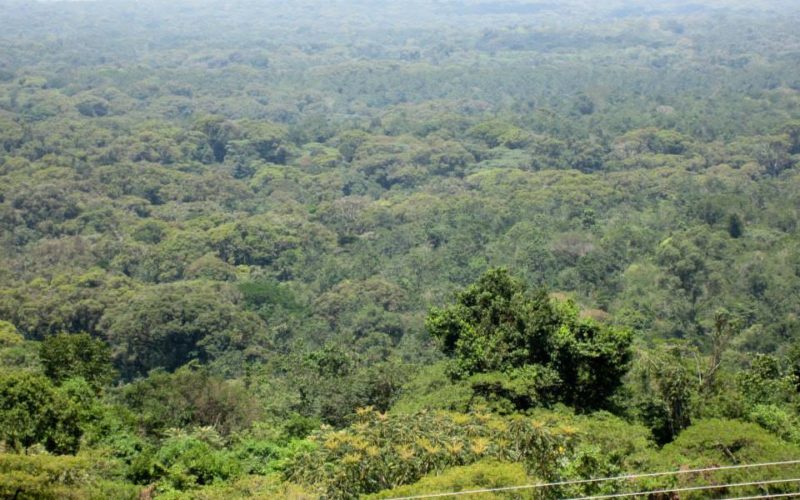
On July 21st, 2020 the Court of Appeal of Uganda sitting at Kampala delivered a landmark decision in which it restored part of Buhungiro Central Forest Reserve in Kyegegwa district located in Western Uganda. The part of the forest which comprises over 440 acres of land was in 2018 declared by the High Court sitting at Fort Portal to be private land.
In 2013, 39 encroachers filed a suit against the National Forestry Authority (NFA), the Agency responsible for the management of forests in Uganda claiming to be lawful customary owners of the suit land. The plaintiffs claimed to have inherited the land from their grandparents way back in the 1940s. This followed (NFA’s forceful eviction of the plaintiffs from the land and their prosecution. The High Court in 2018 delivered a decision in favor of the plaintiffs finding that the land was not part of the forest reserve and ordered NFA to pay damages to the plaintiffs. NFA appealed.
In the leading judgment of Hon. Mr. Justice Kenneth Kakuru, JA, the Court of Appeal allowed the appeal. The court held that the plaintiffs/respondents had failed to prove that they were customary owners of the land and further declared that the land was part of the Buhungiro Central Forest Reserve.
The decision comes after over 400 out of 506 central forest reserves in Uganda are under heavy encroachment. There is illegal timber harvest, crop cultivation, and charcoal burning in most central forest reserves in the country which has sent most wildlife species and biodiversity generally into extinction. Uganda needs more decisions of this nature in order to preserve biodiversity and keep trees – homes to wild animals standing.