Two sentenced to 12 years for killing a bush buck

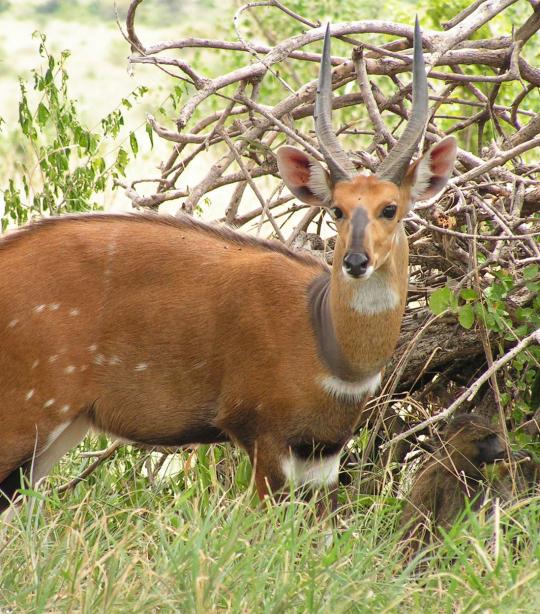
The Chief Magistrate at Kyenjojo Chief Magistrates Court in Uganda on June 30th, 2021 sentenced two men to 4 years imprisonment for illegal entry into a protected area and 12 years imprisonment for killing a protected specie. The two were on June 28th, 2021 arrested inside Katonga Wildlife Reserve. They were also found in possession of a dead bush buck, 2 pangas, 2 sharp spears and 8 wire snares.

The two men pleaded guilty and were each sentenced to a fine of 100 currency points (2,000,000/=) or an imprisonment term of 4 years for illegal entry into a protected area and 10,000 currency points (200,000,000/=) or to an imprisonment term of 12 years for killing a protected specie.

The Uganda Wildlife Act 2019, provides for a penalty of a fine not exceeding 10,000 currency points (200,000,000/=) or life imprisonment or to both the fine and life imprisonment for killing a protected specie like a bush buck. The sentence is an indication that courts have started appreciating the need to conserve wildlife which is a huge victory for wildlife.

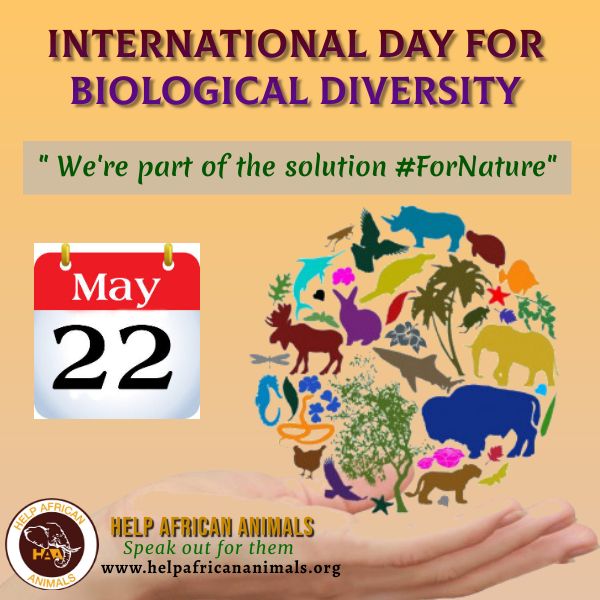
International Day for Biological Diversity

Biodiversity is declining at an unprecedented and alarming rate. Due to human pressure on natural resources, the resources are depleted at a rate more than nature can replenish them. We have already suffered the consequences. COVID19 pandemic is just one of problems arising from abuse of nature. We need to protect nature and restore the ecosystems in order to bring about balance in our relationship with nature. We have a choice, either to be part of the problem or to be part of the solution. On this international day for biological diversity, let us choose to be part of the solution. Let us protect nature and stop human loss.

World Migratory Birds Day

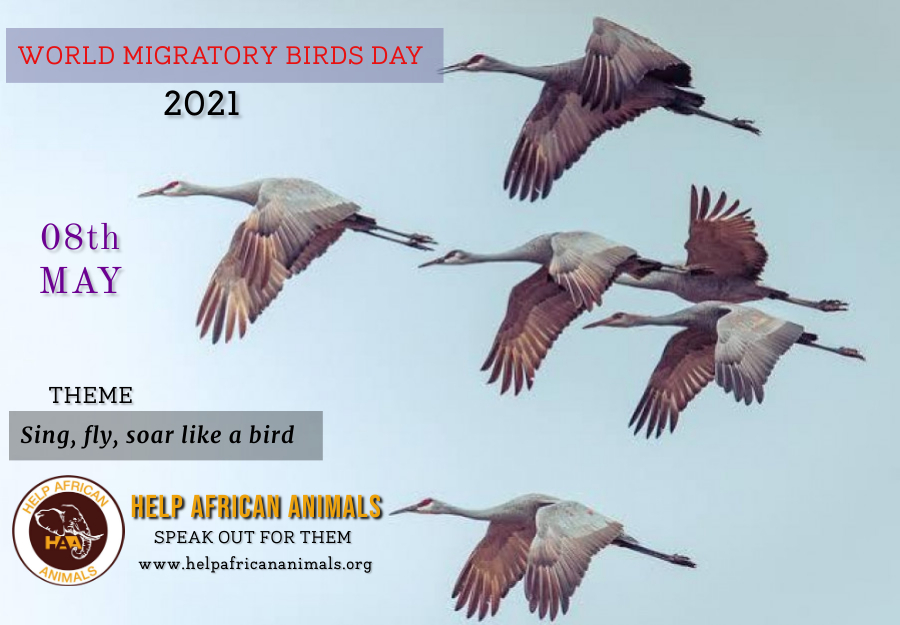
Today Help African Animals joins the rest of the world to commemorate World Migratory Birds Day. This year’s theme is sing, fly, soar like a bird. Much as most of us humans have been locked down by the COVID19 pandemic, migratory birds have not. Migratory birds know no border. This is therefore a call to all of us, wherever we are to join hands and protect migratory birds.

We protect fish too

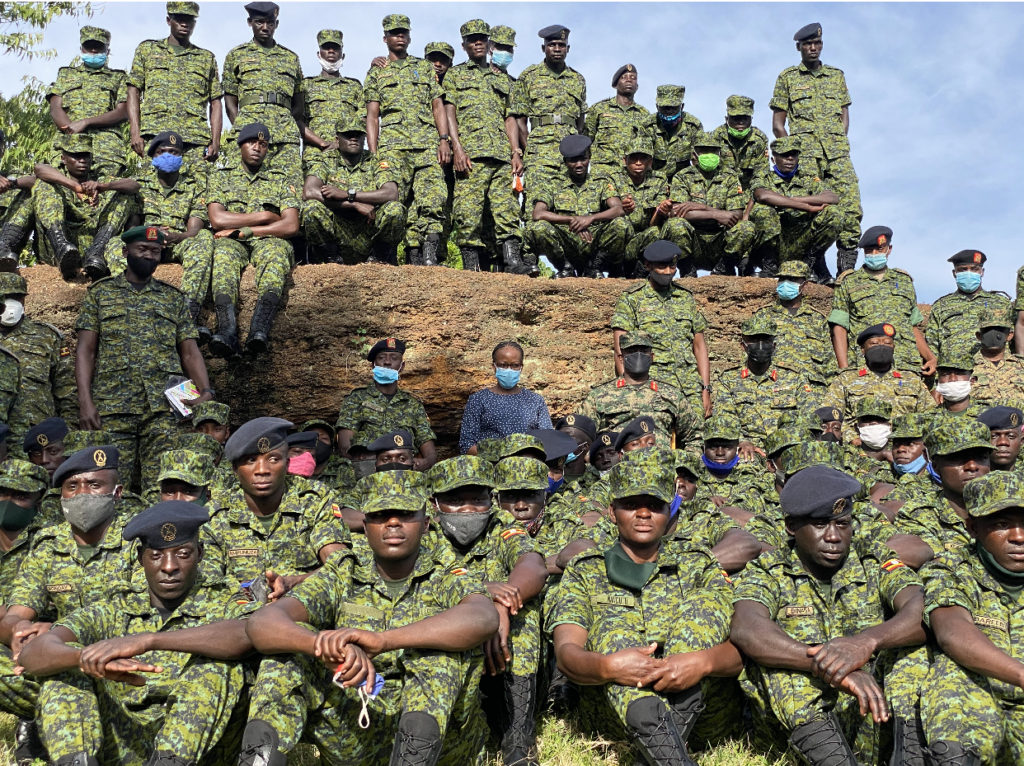
Our own members attended the passing out of Marine Officers at the Uganda People’s Defence Forces (UPDF) Marine Training School located at Kalangalo today. The officers will be out on the waters of Uganda to enforce the Fish Act and Rules made under it. We are happy to work with the UPDF to protect fish in Uganda.

World Aquatic Animal Day

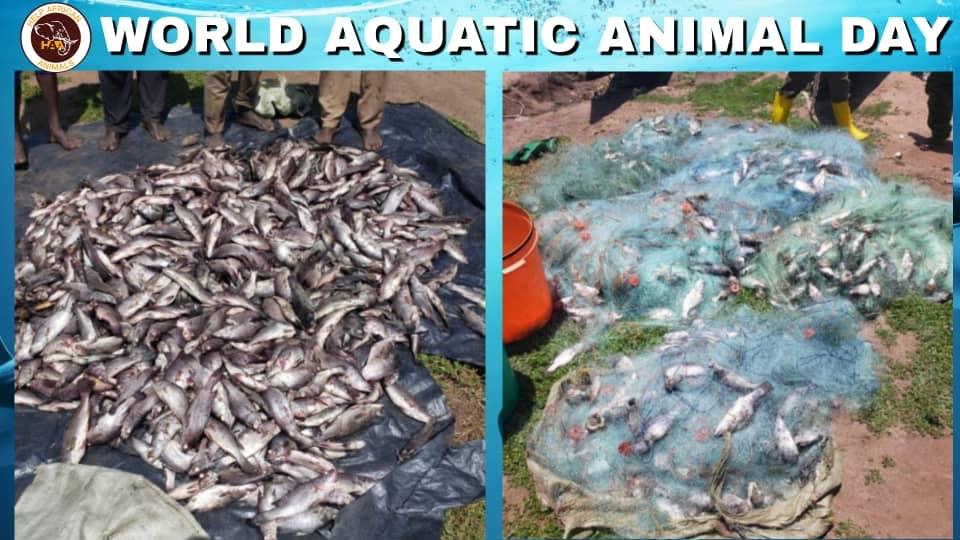
Today marks the second World Aquatic Animal Day, an occasion of Lewis & Clark Law School and its Aquatic Animal Law Initiative (IAALI). The theme for this year is “The Impact of our Human Activities on Aquatic Animals.”

Aquatic animals play a critical role in our societies and the ecosystem yet they face extensive harm. Aquatic animals are often forgotten nonhuman animals and receive little attention in discussions of animal welfare.

In many countries, human activities have led to destruction of aquatic animal habitats, and depletion and extinction of some aquatic animal species. There is rampant use of harmful fishing methods and dumping in habitats of aquatic animals. There are generally illegal, uncontrolled and unregulated activities on water bodies which continue to pose risks to all aquatic lives.

There is hence urgent need to give aquatic animals the attention that they deserve and hence recognize their intrinsic and extrinsic value. This can be through law, policy, education and advocacy. As stewards of the earth, we should scale up our efforts in raising awareness of the plight of aquatic animals.

Visiting the Uganda Wildlife Conservation Education Centre

A team from Help African Animals visited the Uganda Wildlife Conservation Education Centre (UWEC) commonly known as the Entebbe Zoo. The purpose of the visit was to acquire more knowledge about wildlife and appreciate the living conditions of the animals living in captivity in Uganda.

UWEC was opened in 1952 by the colonial government in Uganda as a reception centre for wild animals that were found as casualties. UWEC among others, rescues and treats injured or sick animals, provides quarantine services in order to prevent infectious disease transfer, and breeds species that are at risk of extinction in the wild.

Four arrested over the death of lions in Queen Elizabeth National Park

Four men have been arrested in connection with the death of the six lions in Queen Elizabeth National Park. These are Ampurire Brain aged 26 years, Tumuhire Vincent aged 49 years, Aliyo Robert aged 40 years and Miliango Davi aged 68 years.

According to the Uganda Wildlife Authority (UWA), the four were arrested last night at Kyenyabutongo village, Rusoroza parish, Kihihi sub-county, Kanungu district during a joint operation mounted by UWA, Uganda Peoples’ Defence Forces (UPDF), and police.

Upon arrest, the suspects led the security team to a location where three (3) heads of lions were found hidden in a tree while the fourth one had been buried with fifteen (15) legs of lions under the same tree. Three bottles containing a chemical commonly known as Furadan and a two little jerry can of lion fat oil were recovered in a banana plantation. Two spears, one pang, and one hunting net were found hidden in a garden at the home of one of the suspects.

The carcasses of the six lions were discovered at Ishasha sector on the evening of Friday, March 19th, 2021 upon which discovery investigations were commenced.

Help African Animals applauds UWA and all security agencies that participated in the investigations that led to the arrest of the suspects. Whereas we are well aware that the lives of the lost lions cannot be brought back, we believe that if the culprits are strongly punished, other offenders will be deterred from committing similar offenses hence leading to better protection of the lions and all other wildlife.

Uganda mourns the death of six lions

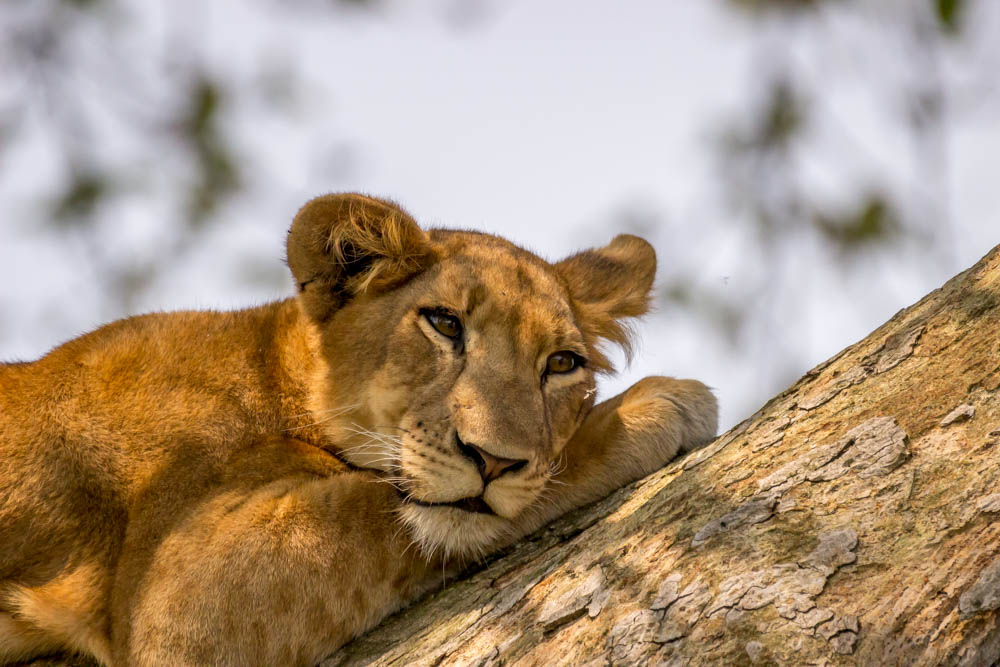
Uganda mourns the death of six lions at Queen Elizabeth National Park. According to the Uganda Wildlife Authority (UWA), the carcasses of the lions were found at Ishasha sector on the evening of March 19th, 2021 with most of their body parts missing. Eight dead vultures were also found at the scene which points to possible poisoning of the lions by unknown people. However, given the fact that some body parts of the lions were missing, UWA does not rule out illegal wildlife trafficking.

An investigation has been commenced with conservationists working with the local police to get to the root of the cause of the death of the lions.

Help African Animals condemns the illegal killing of wildlife because it impacts negatively on tourism in Uganda and threatens the survival of all species in the wild.

There have been a number of previous incidents where lions at Queen Elizabeth National Park were believed to have been poisoned. These include an incident in 2010 when five lions died and a similar incident in 2018 which led to the death of eleven lions including eight cubs.

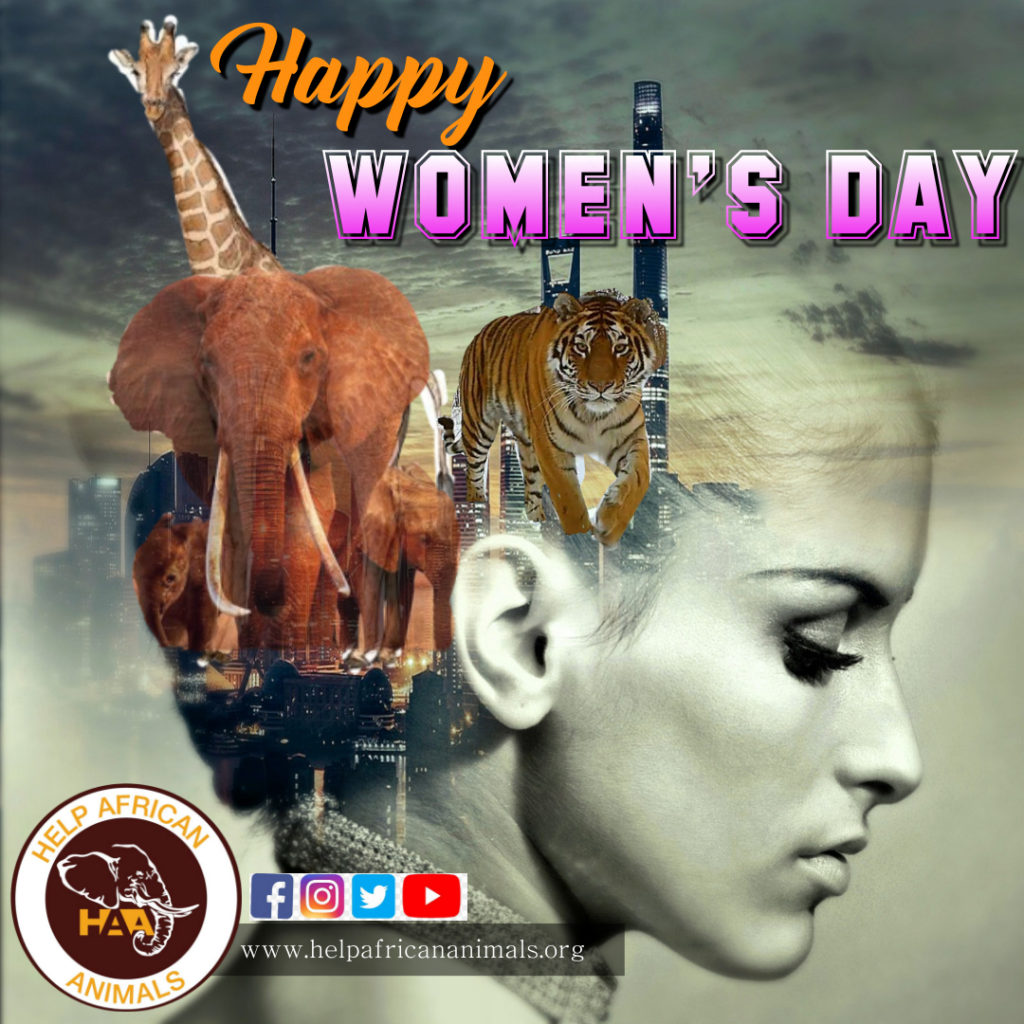
Happy Women’s Day

Today we join the rest of the world to celebrate Women’s Day. On this special day we celebrate all women around the world that have chosen to challenge all systems that have not only oppressed, exploited and left women marginalized but also all those systems that have led to animal abuse and exploitation. Let’s continue speaking out for animals.