How can the law be used to protect animals?

Humans inflict so much suffering on animals. This is the case because animals are vulnerable and their interests are ignored in legal systems around the world. Humans forget that animals are sentient beings who like them, deserve protection against pain and suffering.

Whereas many countries have taken steps to enact laws protecting animals, many of the laws are not enforced. In many African countries some of the laws protecting animals are outdated. Many of the laws were enacted during the period of colonialism and as such remained in books after the departure of the colonialists. Animal related crimes are not a priority for prosecution. Priority is instead given to cases where humans are the complainants. Some of the reasons for this are that humans are able to express their feelings, speak for themselves and follow up on their own cases. On the other hand, animals do not speak. In addition, because of the legal status of animals – animal being property, humans believe that they can deal with them as they wish.

Animals need a world where they feel safe and loved. This can only be a world where animals are recognized as sentient beings and their interests respected in legal systems. In a world that is safe for animals, the laws enacted should reflect animal interests and be enforced to protect them accordingly.

Help African Animals advocates for enactment of stronger animal protection laws and their strict enforcement in Uganda. We believe that also in this way, we contribute to turning the world into a better place for animals.

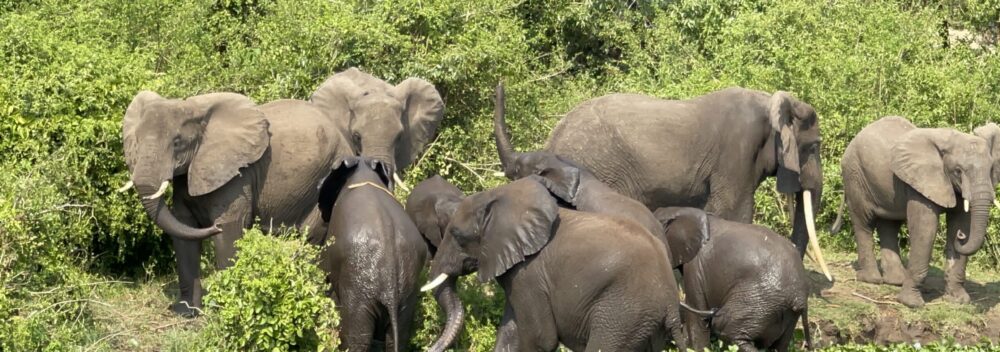
Elephants escape from Queen Elizabeth National Park

Five elephants strayed off Queen Elizabeth National Park in Western Uganda and toured the streets of Kasese town on Wednesday which caused a scene among the local people.

Uganda Wildlife Authority (UWA) confirmed the incident and and also confirmed that there was no harm caused by the elephants.

The incident happened at a time when Uganda is still under lockdown and her national Parks still closed to tourists.

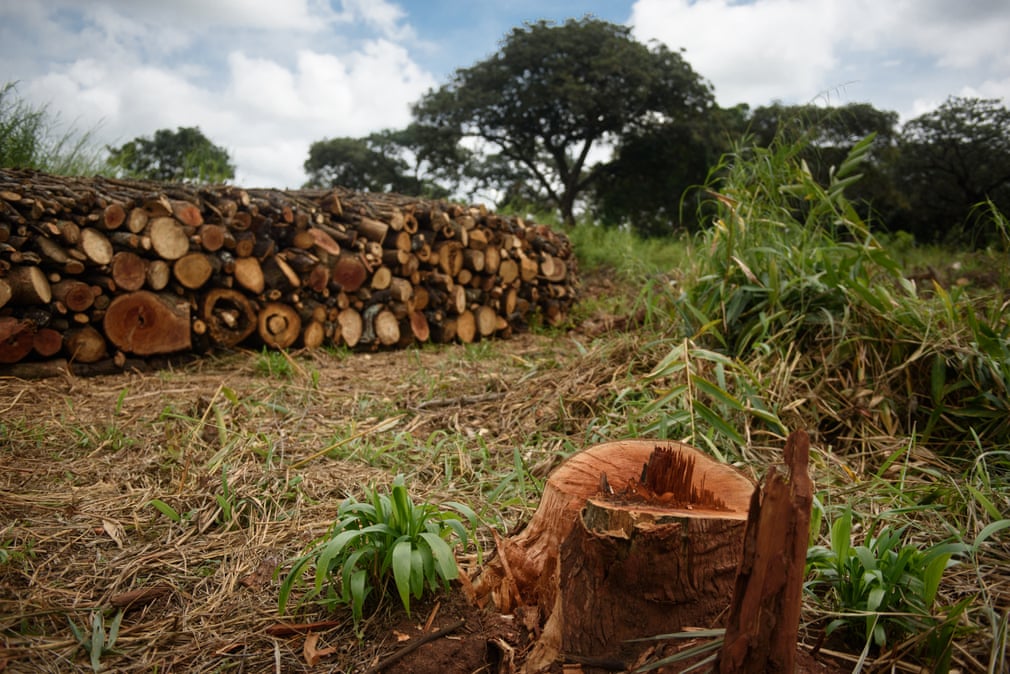
Charcoal burning in Uganda sends wildlife species into extinction

The rampant cutting of trees for charcoal in Uganda is sending many wildlife species into total extinction. In many rural parts of the country, people are engaging in charcoal burning for survival. This has not only destroyed animal habitats hence making it hard for animals to survive but it has also led to the extinction of some tree species. It is predicted that in about 40 years from now, there will be no forests in Uganda. Will there be any wild animals if the trees which they call home will be no more?

Conservation efforts that aim at keeping forests standing are crucial in saving the lives of wildlife. One of such strategies is raising awareness about the impact of deforestation among the rural people.

COVID-19 lockdown has led to increased poaching in Uganda

The continued lockdown due to the COVID-19 pandemic has pushed many people from towns back to rural areas. This has exerted pressure on wildlife. Many parts of Africa are already experiencing alarming poaching rates. People in rural areas are mainly hunting wildlife for food. Uganda has not been an exception. According to the Uganda Wildlife Authority, poaching has since the beginning of the lockdown increased by 20%.

We can not afford to remain silent during this period. If we do, we will be risking having the earth devoid of animals.

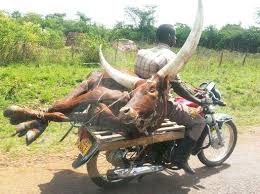
Animals too feel pain

Would a human being withstand the pain if they were to be tied up in the same manner? Why would one think that an animal does not feel any pain?

Animals, just like humans, feel pain. They deserve better treatment. Animals do not speak. Let us speak for them. Let us raise awareness about animal cruelty. Let us make the world a better place for animals.

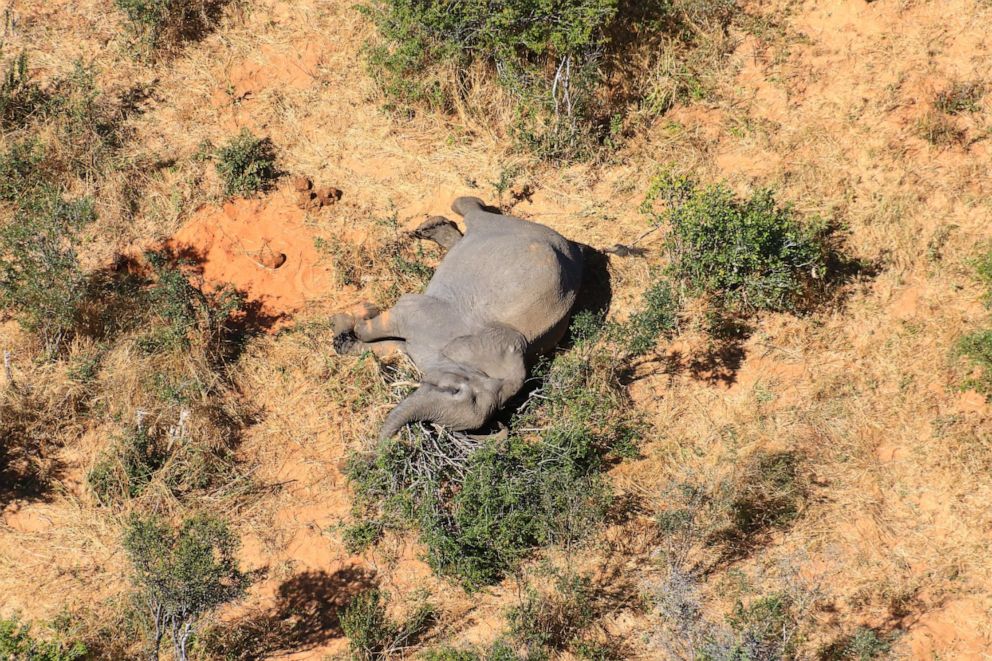
Hundreds of elephants are mysteriously dying in Botswana

Officials in Botswana have reported the mysterious death of over 360 elephants since May. The cause of the deaths is not yet established. The officials, however, rule out poaching as the cause of the deaths because all the dead elephants are found with their tusks intact.

Botswana is home to the world’s largest elephant population. The country is a safe haven to around 130,000 elephants, a third of Africa’s total, making it a magnet for wildlife lovers. Tourism accounts for a fifth of Botswana’s GDP. The mysterious death of the elephants is a big blow to the country and the world at large.

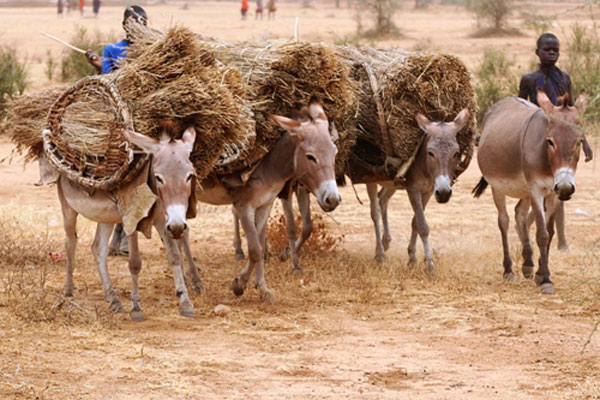
Raise awareness about animal cruelty

Animal cruelty is an unending cycle. The young men grew up seeing cruelty being done to donkeys. They as a result do the same. Raising awareness about animal cruelty can break the cycle.

All Animal Lives Matter

No matter how big or small, all animals deserve a right to be protected. These are happy mongooses.

What you need to know

Save hippos from extinction

Hippos are the third-largest terrestrial mammal. Unregulated hunting for their meat, skin, and teeth, combined with shrinking habitats and increased hippo-human conflict have led to the decline of hippo populations across Africa.

The International Union for the Conservation of Nature (IUCN) classifies hippos as vulnerable. IUCN estimates that there are up to 130,000 hippos in sub-Saharan Africa. Currently, hippos are confined to protected areas and over the past 10 years, their population has continued to shrink.

Hippo teeth are carved into ornaments before being put up for sale, mainly in Asia.