The continued lockdown due to the COVID-19 pandemic has pushed many people from towns back to rural areas. This has exerted pressure on wildlife. Many parts of Africa are already experiencing alarming poaching rates. People in rural areas are mainly hunting wildlife for food. Uganda has not been an exception. According to the Uganda Wildlife Authority, poaching has since the beginning of the lockdown increased by 20%.
We can not afford to remain silent during this period. If we do, we will be risking having the earth devoid of animals.
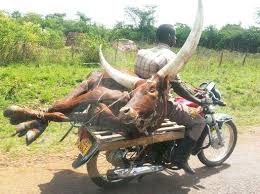
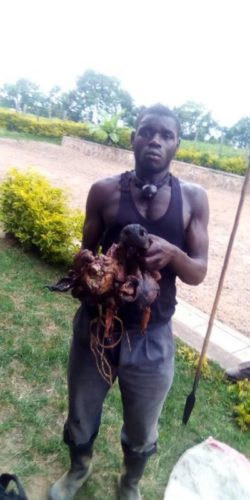
Would a human being withstand the pain if they were to be tied up in the same manner? Why would one think that an animal does not feel any pain?
Animals, just like humans, feel pain. They deserve better treatment. Animals do not speak. Let us speak for them. Let us raise awareness about animal cruelty. Let us make the world a better place for animals.
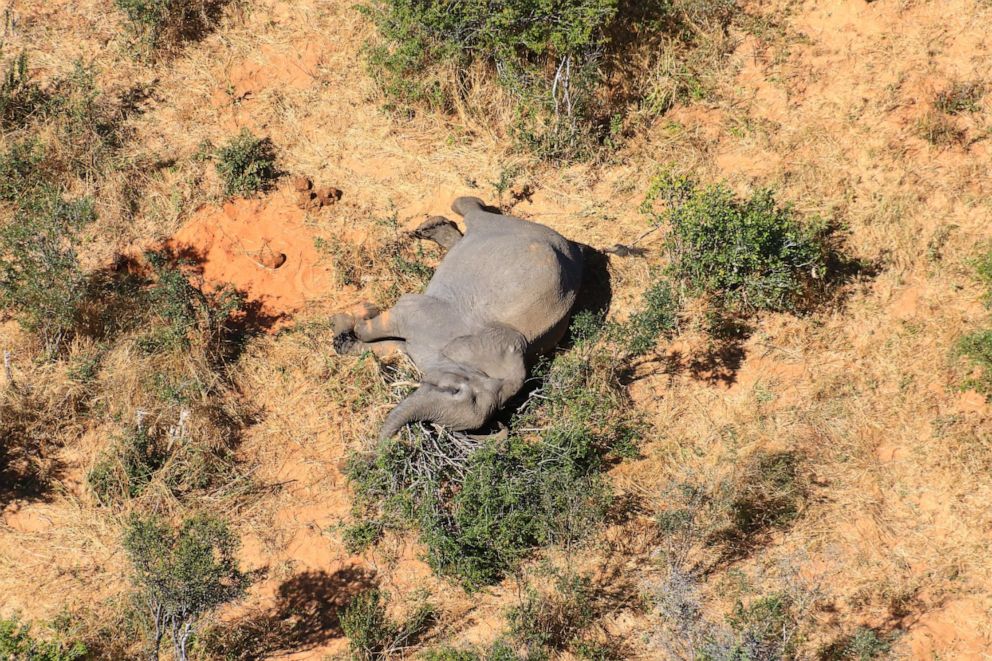
Officials in Botswana have reported the mysterious death of over 360 elephants since May. The cause of the deaths is not yet established. The officials, however, rule out poaching as the cause of the deaths because all the dead elephants are found with their tusks intact.
Botswana is home to the world’s largest elephant population. The country is a safe haven to around 130,000 elephants, a third of Africa’s total, making it a magnet for wildlife lovers. Tourism accounts for a fifth of Botswana’s GDP. The mysterious death of the elephants is a big blow to the country and the world at large.
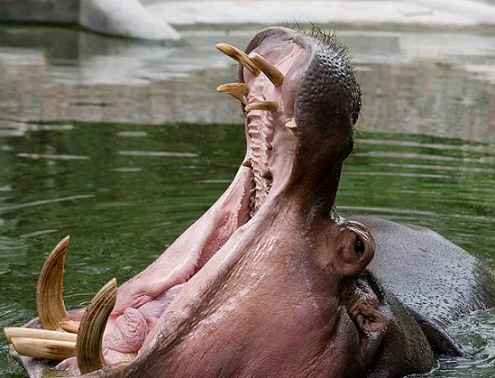
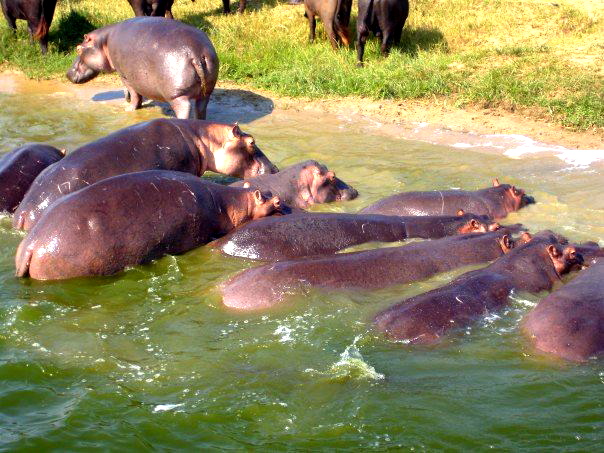
Hippos are the third-largest terrestrial mammal. Unregulated hunting for their meat, skin, and teeth, combined with shrinking habitats and increased hippo-human conflict have led to the decline of hippo populations across Africa.
The International Union for the Conservation of Nature (IUCN) classifies hippos as vulnerable. IUCN estimates that there are up to 130,000 hippos in sub-Saharan Africa. Currently, hippos are confined to protected areas and over the past 10 years, their population has continued to shrink.
Hippo teeth are carved into ornaments before being put up for sale, mainly in Asia.
Kisoro Magistrates Court on Friday remanded the four men suspected of gruesomely murdering Uganda’s rare silverback gorilla, Rafiki in the Bwindi Impenetrable National Park. Under section 71 of the Uganda Wildlife Act, each of the four men is liable to life imprisonment or a fine of $5 million or to both if found guilty of murdering the endangered species. The four men will be returned to court on June 29th, 2020.
Uganda mourns the death of Rafiki, a 25-year old male silverback gorilla, the leader of a gorilla group, who was hugely popular with tourists. Rafiki was the head of a 17-member gorilla group called Nkuringo. He was killed by poachers in the Bwindi Impenetrable National Park.
According to a statement issued by the Uganda Wildlife Authority (UWA), Rafiki went missing from his group on June 1st, 2020. The following day, a team from UWA mounted a search for him. His body was found within the park that same day. UWA revealed that a post-mortem showed that a sharp device or object was used to penetrate Rafiki’s abdomen and pierced his internal organs.
UWA personnel arrested four men this week. The men confessed to the killing of Rafiki by a spear allegedly in self-defense while they were illegally hunting other animals in the park from where he charged on them. The men were found in possession of bush pig meat and several hunting devices which included a spear, rope snares, wire snares, and a dog hunting bell.
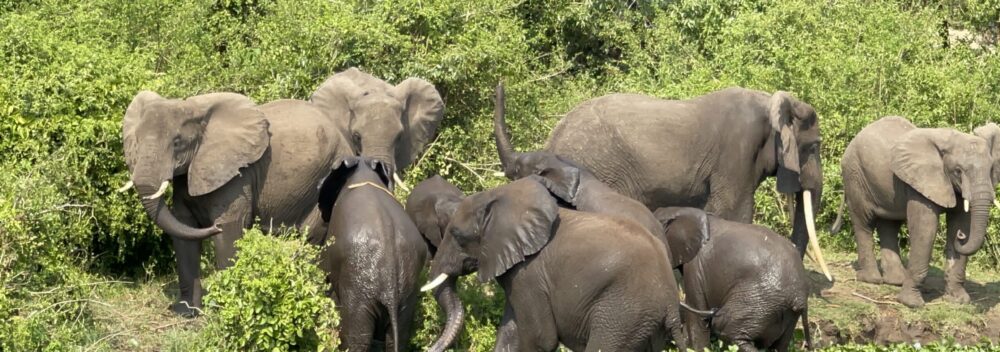
Poaching has increased in Uganda’s national parks in recent months due to the COVID-19 pandemic which made the country to close parks to tourists. The accompanying lockdown has forced rural people to resort to illegal hunting out of desperation which has put the lives of animals at risk. Animals need our protection now more than ever.
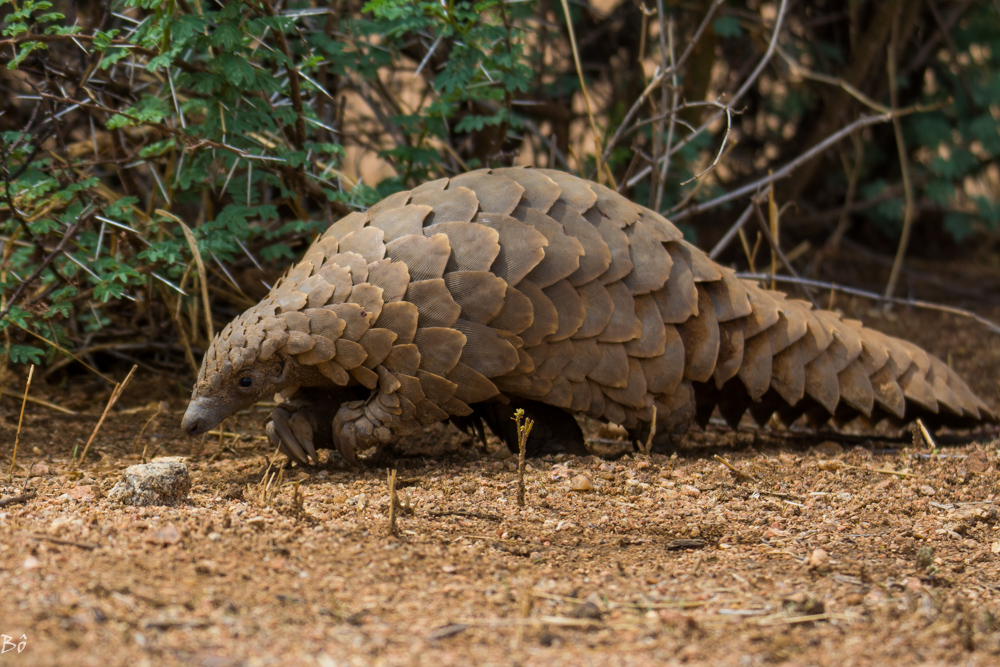
The Chinese government has removed pangolin scales from its 2020 list of approved ingredients used in traditional Chinese medicine. The scales have for long been sold in traditional pharmacies in China as an ingredient for the treatment of a number of human diseases.
Poaching of pangolins for international wildlife trafficking is a major threat to the survival of the species in the wild. Pangolin meat and scales are on high demand in parts of Asia which led to severe depletion of pangolin populations in Asia. As pangolin populations in Asia declined, there emerged an increase in the trafficking of pangolins from Africa. In 2019 alone, over 130 tons of pangolin scales, representing over 400,000 African pangolins were seized globally according to Wildaid.
The decision by China is a critical step towards saving pangolins. It comes days after China announced stricter protection of pangolins by raising them from the list of second-level protected species to that of top-level.
We hope the move will help to end the global illegal trade in pangolins.
Women and men interact with biodiversity and natural resources in different ways according to their socially assigned gender roles. They have different knowledge, needs, and perspectives. Women may use certain natural resources more than men, and vice versa.
Today, women participate in wildlife crime either knowingly or unknowingly. In many rural areas in Uganda, women are highly involved in charcoal burning, stone quarrying, and fishing of immature fish. The leading cause of this has been mainly subsistence. Many women are single mothers/widows with children that they provide for single-handedly. They resort to the illegal harvest of the resources and destruction of habitats for animals.
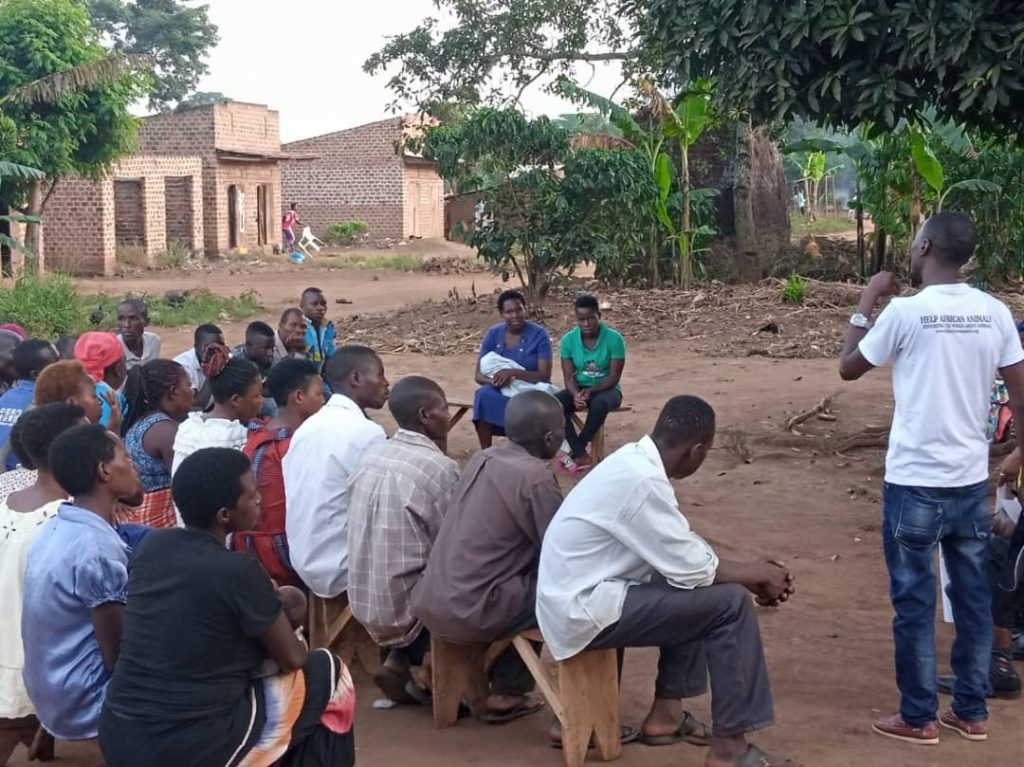
Help African Animals deliberately targeted women and involved them in the education campaign. This followed our realization that women’s active participation in natural resource management leads to better conservation outcomes.