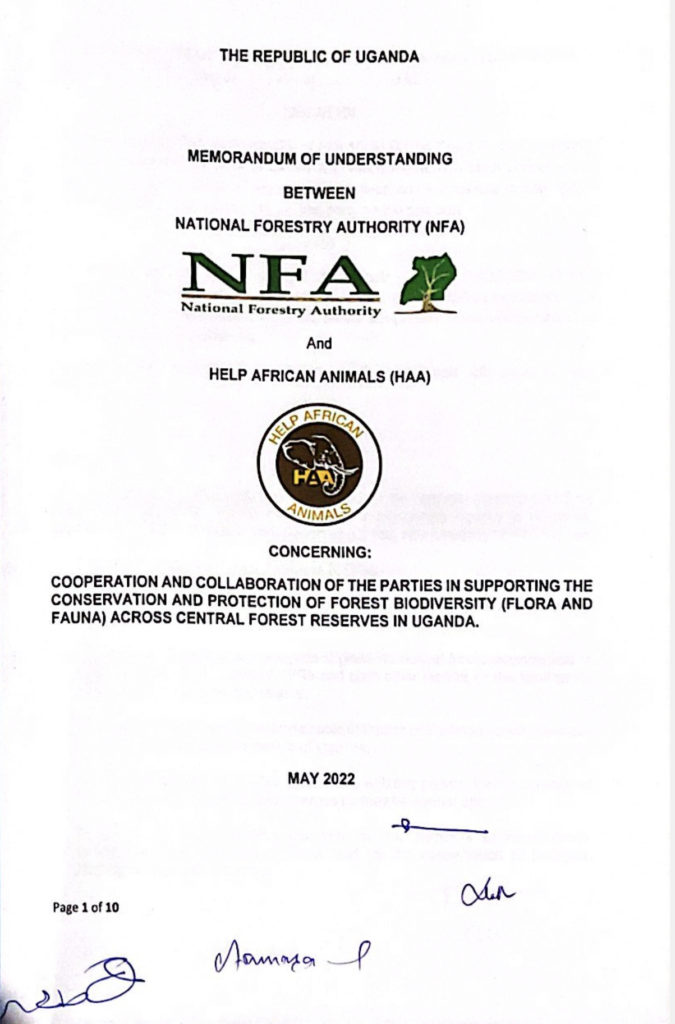
Our relationship with National Forestry Authority (NFA) has resulted in a memorandum of understanding. We feel privileged to cooperate and collaborate with NFA in promoting wildlife (Flora and Fauna) conservation and protection in Central Forest Reserves in Uganda.
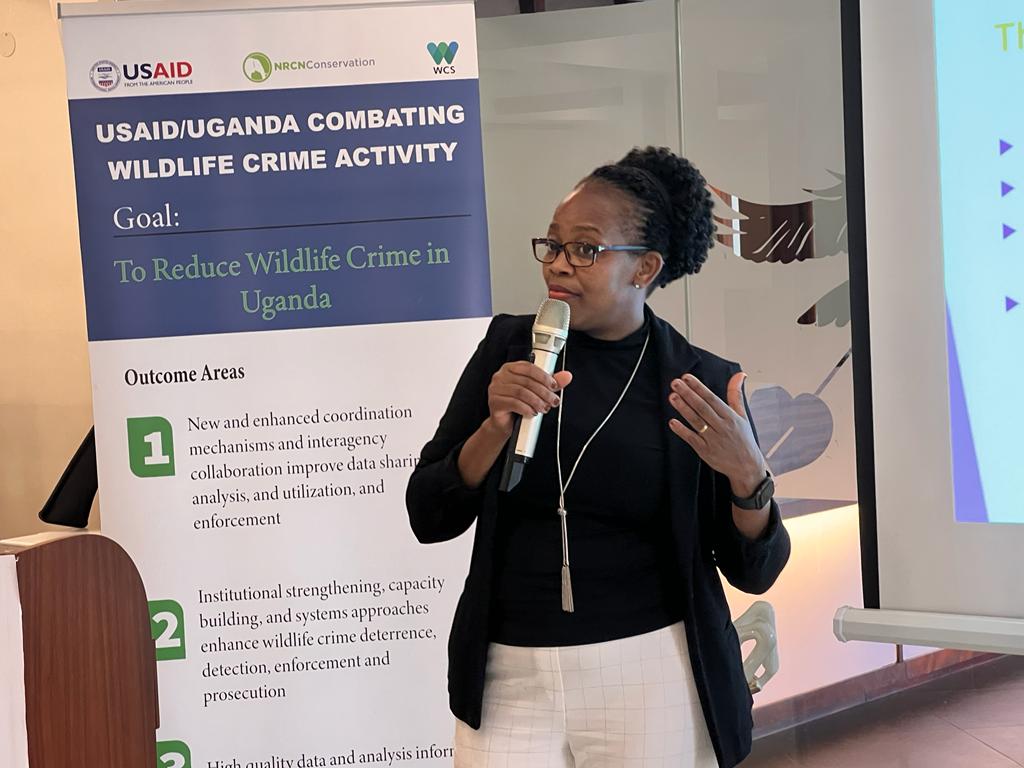
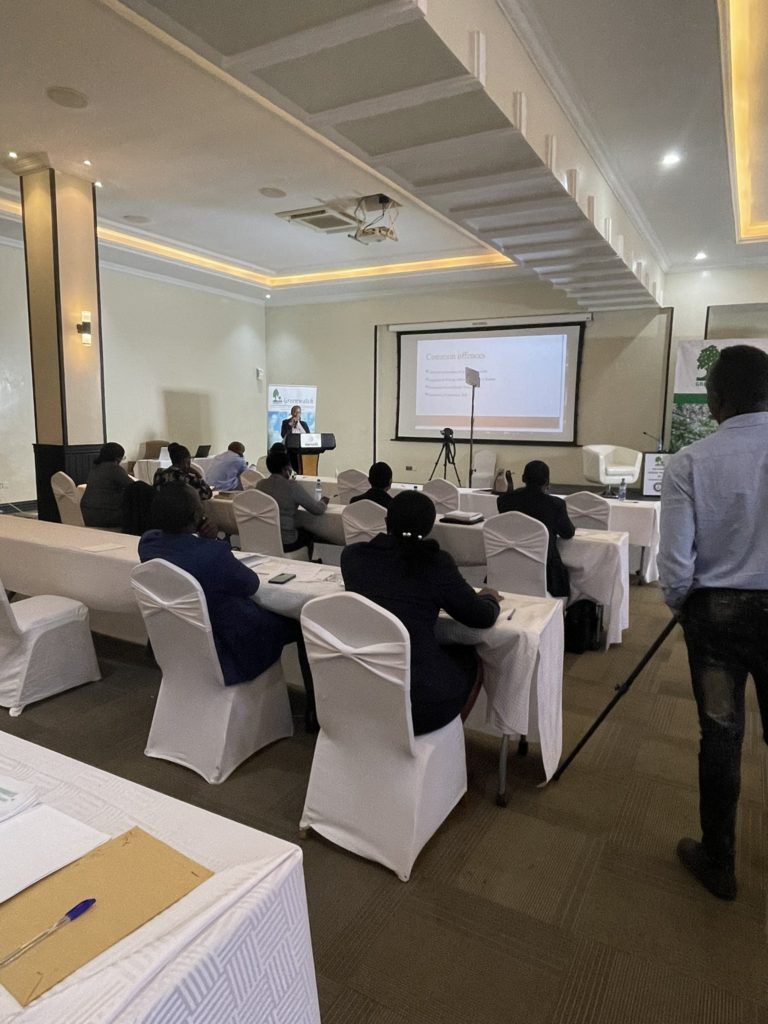
We are committed to building capacity. This week, our very own Ms. Gladys Kamasanyu participated in training of prosecutors and law enforcement officers of National Forestry Authority (NFA). Strengthening the capacity of stakeholders in the fight against wildlife and forest crime is important in saving mother nature.
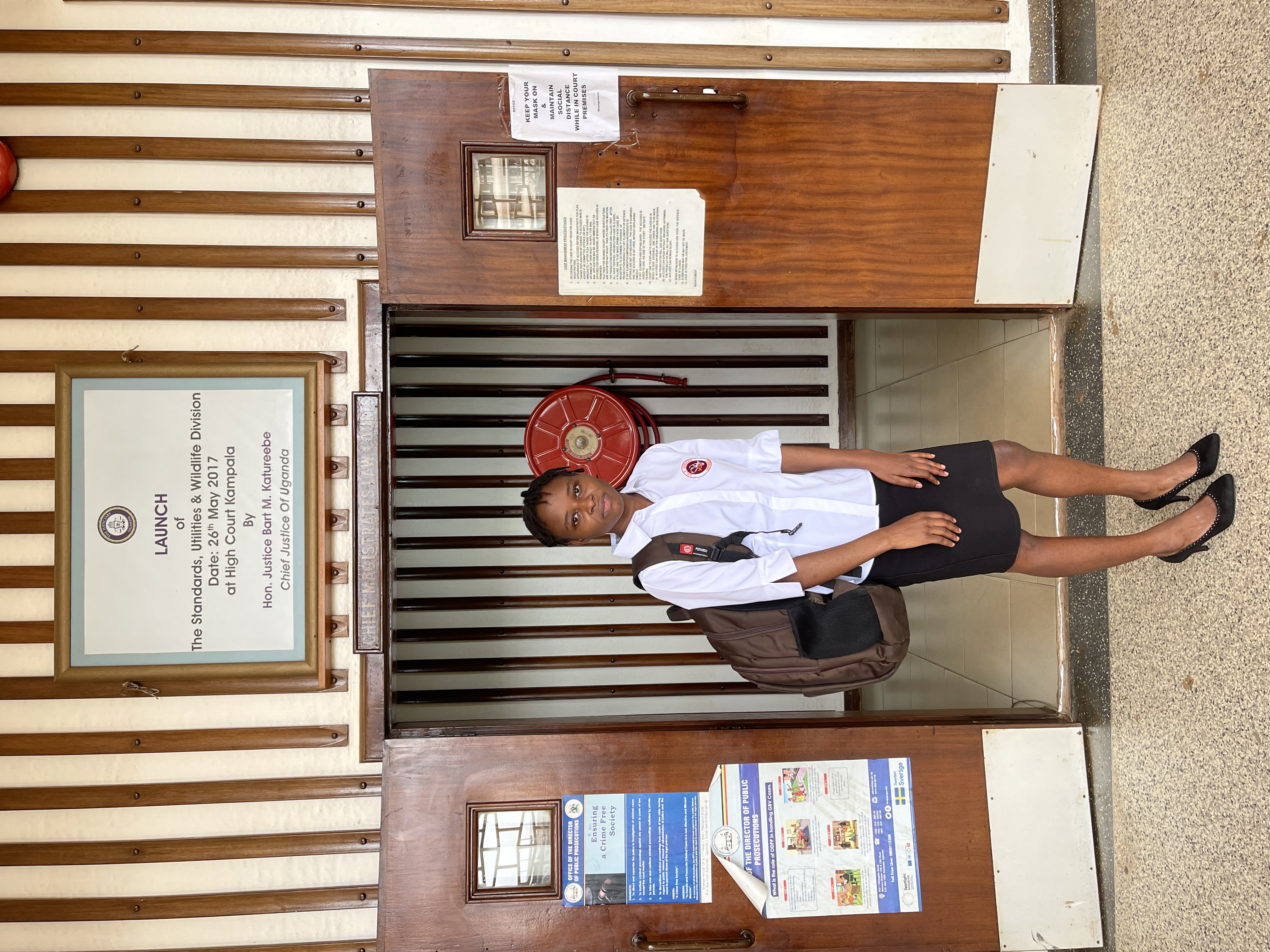
Combating wildlife crime calls for participation of all of us. Our Ms. Gladys Kamasanyu was on April 28th and 29th speaking to Magistrates of Northern Uganda on the role of the Judiciary in combating wildlife crime.
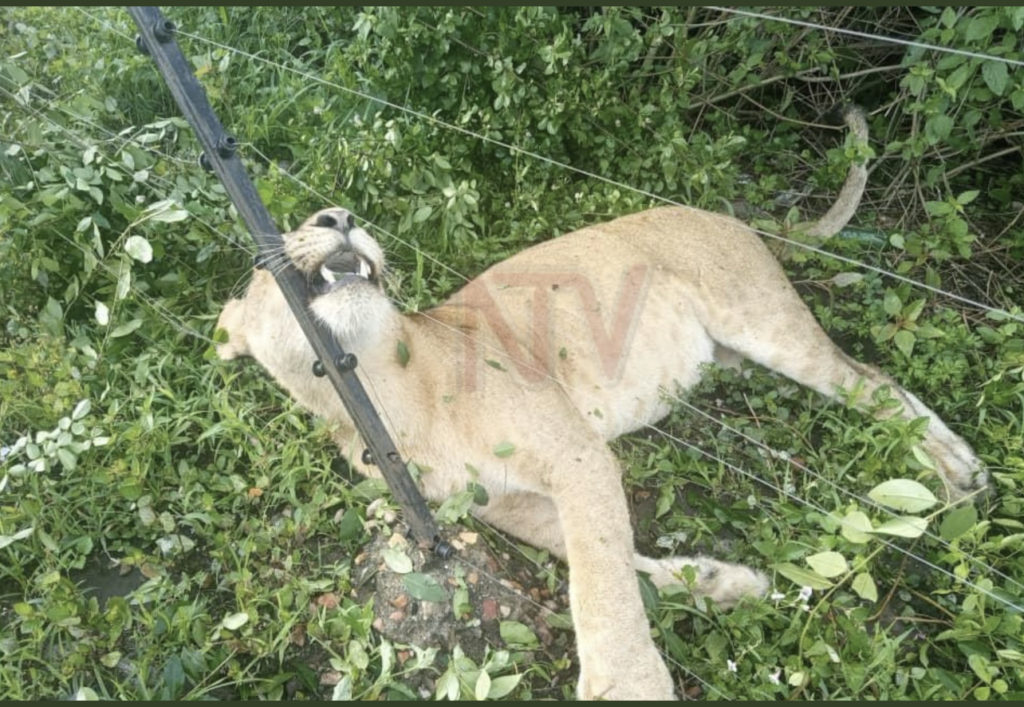
We have been saddened by the loss of three lionesses in Uganda. The three were found dead on an electric fence of a safari lodge near Queen Elizabeth National Park on April 25th 2022. This loss is so disturbing. Such fences should have no place in a protected area.
Our founder Ms. Gladys Kamasanyu was honored to present at a judges training. The presentation on the topic about the link between wildlife and the climate, and the role of the judges was timely. We are committed to influencing the human mindset towards wildlife protection.
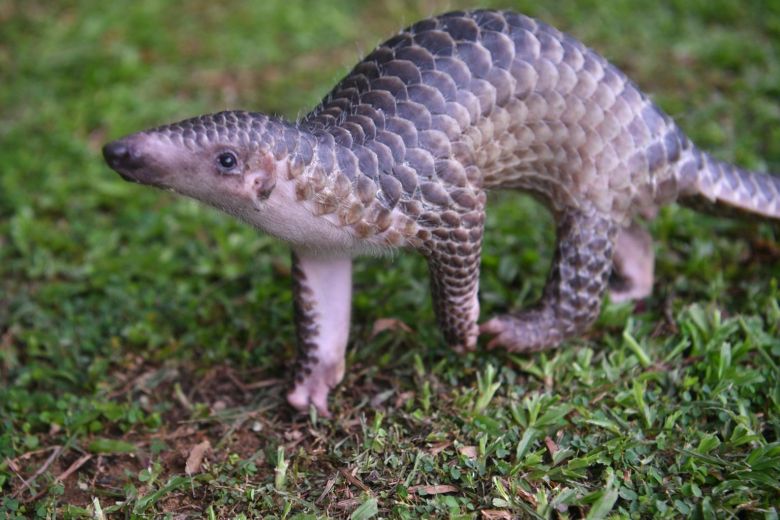
The shy and harmless pangolin is currently believed to be the most trafficked mammal globally. Pangolins are killed for their scales which are used in traditional Chinese medicine and for their meat, a delicacy in China and Vietnam. Four of the eight species of pangolins are found in Africa. On this day, it is important to know that there is need to conserve pangolins not only because of their uses in the ecosystem but also the fact that they have interest in their own lives. To some communities in Africa, Uganda in particular, a pangolin is a totem for some tribes. Pangolins should be conserved.
The legal status of animals is that “animals are property.” However, animals are not “things” like a chair. They feel pain and have interest in their own lives. They also get tired. They shouldn’t be put in the same category as inanimate property. Animals should not continue to suffer for humans to be happy.
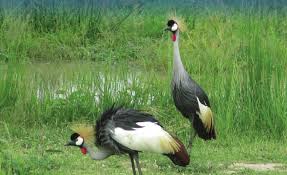
Wetlands are lungs and kidneys of our environment. They are homes to wild animals including Uganda’s national bird, the Uganda crane. The health of wetlands is crucial to our own existence and that of wildlife. However, Uganda loses about 293sqkm of wetlands every year which puts the survival of wetlands and therefore, our own survival in jeopardy. Under Section 54 of the National Environment Act, wetlands must be conserved for the common good of the people of Uganda. We all have a role to play to conserve wetlands. At Help African Animals, we are committed to raising awareness about wetland conservation.
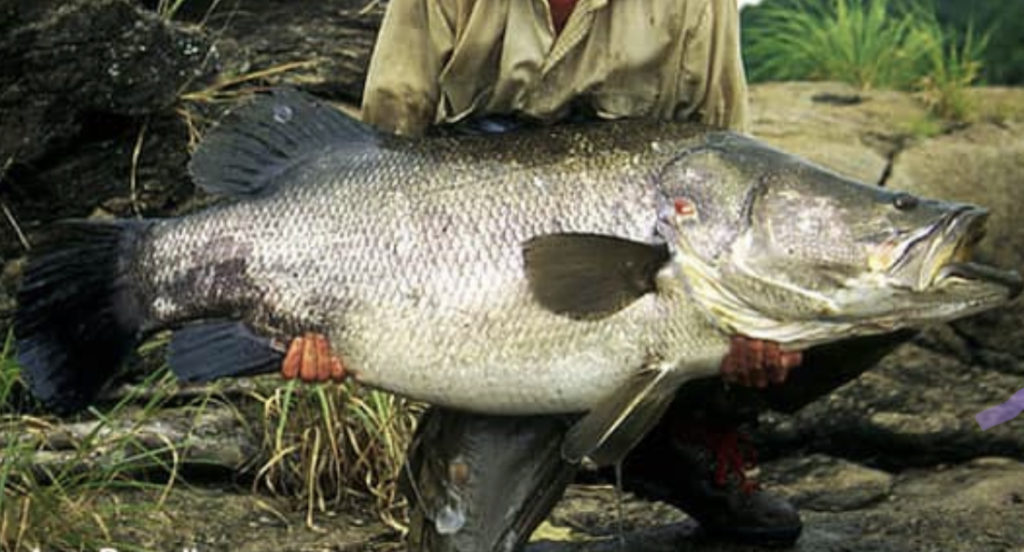
The Uganda Fish Exporters propose to parliament a ban on Nile Perch local consumption. They are moving a proposal to leave Nile Perch for export purposes only on ground that by so doing Nile Perch depletion will be stopped. The proposed ban if passed into law will instead increase illegal fishing of Nile Perch and hence its further extinction.